Monday, 23 November 2015

Top Ten Physical Activity Resources


I've been meaning to collate a list of on-line Physical Activity (PA) resources and speaking at the Primary Care Rheumatology Society conference in York on Friday has reminded me to get on with it!  This list started as a Top Ten but I keep adding more, it is by no means exhaustive and it isn't in any particular order. It's basically a compilation of some of the free, open-access PA resources that have been particularly useful to me over the last couple of years.

23 1/2 hours

I'm prepared to bet that this is the most informative 10 minutes you'll ever have on physical activity!  If you only access one resource make it this clip!

PA infographic from the CMO

This new infographic reinforces the same basic messages from the 2011 guidelines but in addition to this there is a focus on the message that something/anything is better than nothing. This is particularly important when working with people for whom 150 is not achievable, people with LTCs, for example, can still gain huge health benefits from engaging in regular activity even if it is well short of the amount required for "optimum" health benefits.  The infographic format is more accessible than a report and it would be a good poster to have in waiting rooms etc.


Start Active, Stay Active

This report was published in 2011, it sets out the policy context and gives lots of detail about the extent of physical inactivity.  This was the document that first introduced the CMOs PA guidelines, these were recently updated in the above infographic.

Everybody active, every day: an evidence-based approach to physical activity

This report was published by PHE in 2014, it outlines the key issues and calls for a change in culture around physical activity.  It highlights four key areas in which action is essential to create a more active nation.  These areas are;

  1. Active society
  2. Moving professionals (this includes health & social care)
  3. Active environments 
  4. Moving at scale
This link will take you to some other related resources.

PHE Slidesets on PA

PHE have made these slidesets available online, they have some useful graphs showing levels of inactivity by age, gender, socio-economic status etc.

BMJ Learning Resources

BMJ learning have created a suite of on-line learning modules on physical activity for LTCs. I particularly liked the final module in the list, it shows real understanding of the barriers that clinicians are up against in primary care settings and it makes small, achievable suggestions about ways in which we might promote activity. The modules are free, you just need to create an account which only takes a minute or two.  They take about 30 minutes each to complete and include:

Blueprint for an Active Britain

UK Active recently published this document, it outlines some of the key changes that are required not just in health care but across society in order to make physical activity part of our every day lives.


British Heart Foundation Resources

BHF produce a range of fantastic, accessible resources on physical activity. The two documents that I go back to time and time again are:


Faculty of Sports and Exercise Medicine Resources

The FSEM produced a booklet called Exercise Prescription in Health and Disease, it presents a series of case studies for medical students. It has loads of great content and is presented in a nice, e-booklet style here.


If there are other resources that you think are useful for healthcare professions then drop me a line and I'll add them to the list.


Tuesday, 17 November 2015

BJSM Blog Post

I enjoyed writing a blog post for BJSM about the work we have done with Exercise Works! to enhance the undergraduate Physiotherapy curriculum at Sheffield Hallam University.  The post has been well received and my Twitter feed has gone crazy!  The full article can be read here.


Thank you to BHF for putting the closing sentence on this great back drop & tweeting it!


Thursday, 22 October 2015

Summary of Physio UK Presentation


It was great to present at Physio UK in Liverpool at the weekend.  I was overwhelmed by the response to the session and delighted to see the commitment to health behaviour change and, in particular, to physical activity.


A summary of the presentation can be read here.


Wednesday, 14 October 2015

Physio UK 2015: Future Proofing Resources

This blog post is to accompany my presentation at Physio UK.  I have accessed a lot of fantastic resources in planning the presentation and I thought that discussing these in a bit more detail might make for a useful blog post.

The title of my session is "Future Proofing Physiotherapy: Equipping the future workforce to meet the needs of the changing population" and this is an overview of some of the key resources that have shaped my ideas.

Resources on basic concepts in public health


This book explores the challenges of working in mainstream health care with limited support to address the wider determinants of health.  It is based on US health care and from a doctors perspective but there are real parallels with the challenges that we face in the UK.

The progress that the author makes in addressing some of the issues is incredible, it's a very inspiring book!

There is also a TED talk by the author.


This report published by Arthritis Research UK is a must-read for musculoskeletal physiotherapists.  It outlines the prevalence and incidence of musculoskeletal disorders and the massive cost to individuals, society and the healthcare budget.

It clearly identifies the co-morbidities that tend to accompany MSK conditions and highlights the links between disability, risk of early mortality and MSK conditions.  It explores the potential for interventions that focus on improving general health to be embedded within current MSK care.


Resources on local population health


Joint Strategic Needs Assessments analyse the health needs of the local population.  They inform the commissioning of health services within a local authority.  They underpin the health and well-being strategy (see below).  The key aim of a JSNA is to accurately assess the health needs of a local population with an view to improving it.

Every area will have a JSNA, they can be found on your local government website.
A health and well being strategy is essentially an improvement plan based on the JSNA, it is compiled by the local health and wellbeing board and they are also usually available on the local government website.

For more info on JSNAs and health & wellbeing strategies see this document "Joint Strategic Needs Assessment & joint health and wellbeing strategies explained".


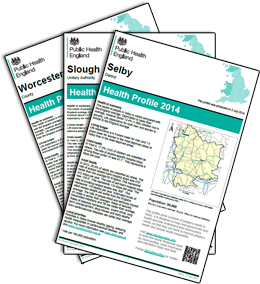
Local health profiles are created by PHE, they are really easy to access you just go to the website and put in a postcode.  The give lots of useful information on local health priorities and show useful deprivation profiles of the area.


Resources on health behaviours


I first read this document last year and I've revisited it many times since, it has really influenced my thinking about the role of the Physiotherapist in addressing health behaviours.

It gives an overview of the prevalence of unhealthy behaviours and the clustering that tends to occur.  It also shows how this is changing over time and the disparity between health behaviours of the most and least deprived.

I will definitely be at David Buck's session at Physio UK!


This document is a really useful implementation guide for MECC, it outlines the resources and the organisational support that are required for successful implementation.


Finally, I went to the BHF conference last month, it was a brilliant experience and all the slides are available on their website. In fact all the resources from the last 6 conferences are there so it's well worth a look.

From the 2015 conference I found Justin Varney's presentation particularly useful in getting insight into a commissioner's perspective on physical activity interventions.


This is just a few of the resources that I have used in the planning of my presentation for Saturday, I have chosen them because they have influenced and developed my thinking on the role of the physiotherapist in public health.  These themes will be explored further in the presentation, the slides will be available on the CSP website after the conference.


Thursday, 24 September 2015

Physiotherapists as Role Models

It was great to see the Role Model article in Frontline this week and really interesting to read Professor Phil Reed's response to the question.


Tuesday, 9 June 2015

Asking Difficult Questions; Shall I, Shan't I?


The role of the physiotherapist in delivering health messages has had a lot of attention recently.  The prevalence of lifestyle diseases alongside rising concern about the sustainability of health and social care systems has brought preventative care into the spotlight.  AHPs make up approximately 6% of the NHS workforce and they have been identified as an untapped public health resource. 

As AHPs find themselves increasingly reflecting on their role in public health we have cause to consider our role in wider health promotion and Physiotalk hosted an interesting tweetchat about this just last night.  I've mentioned in previous blog posts  the huge role that health behaviours are thought to have in contributing to overall health (McGinnis et al 2002).  This challenges us to consider the balance between reactive treatment of the presenting complaint and proactive, preventative care of the whole person.

The Royal Society for Public health & Public Health England recently published a joint report on AHPs & healthy conversations.  In brief, the results from the survey show clear collective ambition amongst AHPs to be recognised for their role in public health.  It also shows that many AHPs frequently initiate healthy conversations with their patients.  This was matched with positive views from the public about the perceived credibility and trustworthiness of the advice AHPs give.


However, a number of barriers to initiating healthy conversations were raised in the report, these include being embarrassed to raise the issue and feeling that it is not appropriate or could be insensitive.  If we are to promote behaviour change we first have to identify risky behaviours and then openly discuss them and this can be awkward for both clinician and patient. We may want to ask about tobacco use, alcohol consumption, weight/nutrition or drug use, in some areas of practice it may be appropriate to ask about risky sexual practice or domestic abuse.


This blog post was published in BMJ recently, it gives an interesting patient perspective; the author asks healthcare professionals to;

Think twice before offering unsolicited advice in the guise of “education,” particularly when your patient is consulting you about something unrelated. If your patients hear the same potted advice during every appointment, it’ll soon lose its impact; and if you insist on bringing up a subject that they find traumatic you could put them off seeking your advice in future.

The author of the blog post had many negative experiences of receiving well intentioned, but poorly delivered, advice.  In contrast to this perspective, a sub-analysis of a large US study explored patients' reactions to being asked questions about smoking, diet/exercise and alcohol during primary care consultations.  The vast majority of participants stated that they felt "very comfortable" answering these questions.  They were then asked how important they thought it was for their care provider to know about these health behaviours and the vast majority considered it to be "very important". 

So, in this study, participants didn't mind being screened for health behaviours and they considered it to be an important process, I think the important thing here is about offering a service and allowing the patient to make an informed choice about whether or not they want it.  This would avoid unwanted, paternalistic advice (as per the above blog post) but would fulfil our moral and professional obligation to promote health.

In contemporary health care, health behaviour change is a key clinical skill and we need to take it seriously.   We need to look at best practice and reflect on our own strengths and weaknesses so that we can plan our development accordingly (as we would with any other important clinical skill). 

As frontline practitioners we have a real opportunity to impact on unhealthy behaviours and there is evidence that this is acceptable, desirable and effective.  We need to move this practice from being opportune and optional to being a core part of our assessment with every new patient.  If we get used to having these conversations then they might not feel quite so "difficult".  If we are to fulfil our potential role as health promoting practitioners I believe that we do have a duty of care to ask......but there is a big difference between asking and telling.


Thursday, 4 June 2015

What does public health mean to you? Frontline Interview

I recently did an interview with Frontline magazine about public health and what it means for physios.


 The full interview can be read here

Wednesday, 14 January 2015

Exercise, at the heart of Physiotherapy? (Tweetchat debrief)

On Monday 12th January Physiotalk hosted the first tweetchat of 2015.  My colleague Rachel Young (@youngphysio) and I (@annalowephysio) were guest hosts for the session.  Rachel & I chose this topic because we are both passionate about exercise and about Physiotherapy and we share concern that the two things seem to be on divergent paths.

The Tweetchat was fast and furious; my head is still spinning!  The analytics suggest that there were 756 tweets from 88 participants and I have to say, at times I didn't have a clue what was going on! Participants were varied; it was great to see that physio students were represented along with physios from all specialisms and from across the globe.  We were also joined by Osteopaths and Speech and Language Therapists whose tweets added a different perspective.

The aim of this blog post is to organise the information from the Tweetchat and to highlight & expand upon some of the key discussions.  I've added peoples' Twitter handles so that you can find and follow them if you wish.  I've mentioned a number of contributors and embedded tweets, I hope that I have represented your views accurately.

Question 1: Are we actually any good at prescribing exercise?

First off, there were a few calls to unpack what we mean by exercise prescription, this is a valid point and something I'd love to do but probably not over Twitter, apologies for ignoring these tweets!

Mel Stewart (@melrosestewart1) suggested that there is variety in knowledge and skills and that some standards might be useful, this was reinforced by Mandy Dunbar (@physiodunbar) who felt that minimum standards for Universities might be helpful.

The general feeling seemed to be that we are perfectly positioned to lead on exercise but that we seem to have lost some of our skills in this area.  Zara Hansen (@cbtskills) suggested that this might be due to the scope and breadth of practice expanding.  Lack of knowledge of strength training principles and lack of expertise with use of gym equipment were highlighted as issues.  Grainne O'Donoghue (@odonogr) raised the issue of confidence and shared findings from her PhD;


Alan Taylor (@tayloralanj) posted a list of 10 reasons why we should be leading on exercise this stimulated a great discussion.  Dave Nicholls (@davenicholls3) added in our ability to cope with co-morbidities and I'd also add our ability to acknowledge and balance risk, we are less risk averse than some other exercise professionals and we understand that there is a risk inherent in doing nothing.  

Question 2: What do we need to do to become better at exercise prescription?

Rachel Young (@youngphysio) suggested that we might have become "functional to a fault", whilst function is our main driver, in order to restore function we need people to engage with exercise and sometimes function takes all the fun away.  One of the key things that came through was that exercise needs to be fun; I think we have work to do on our ability to sell exercise!

Other factors that were identified as important in engaging patients were;

  • making it realistic, less can be more, there was talk of no more than 3 exercises,
  • making it easy for patients, seeing them in their own environment,
  • adopting a flexible approach,
  • giving patients choice, acknowledging patients' preferences,
  • encouraging honesty about what's achievable,
  • planning for relapse,
  • tailoring, no more bog-standard photocopies, no more 3x10 for everyone.

Bex Townley (@bextownley) raised an important point below and went on to highlight the importance of partnertship working with other professionals to meet patients' needs.

Mike  Stewart (@knowpainmike) drew our attention to the issue of behaviour change (see previous blog post) and I agree, it is the essence of what we do. 

Question 3: How do we become recognised as exercise experts?

One of the key things to come out of the tweets related to this question was the need to value exercise as an intervention in its own right.  It's not just an adjunct, it's not something that we just tell people to do at home, it's not what we spend the last 2 minutes of an appointment doing.  We need to walk the walk and that means making exercise central to our interventions and that will convey our belief in its value to patients.

Another discussion that cropped up was the idea of exercising with patients, I love this idea, what a great way to raise our profile and show patients how much we value exercise. There were lots of calls to "get out of our treatment rooms" and exercise with patients in the best environment for them.  Does anyone run general exercise classes for patients and NHS staff?  Do any departments run physical activity challenges that staff and patients can participate in?   
There were a number of tweets suggesting that we need to strengthen UG curricula if we want to be recognised as exercise experts, again this comes back to the point about minimum standards and whether this would help curriculum design.  

There was a suggestion that adding basic fitness qualifications into UG courses might help and this was followed with a short discussion about the HEIs that have embedded vocational qualifications into their courses.

Access to exercise-related CPD that is accessible, affordable and high-quality was identified as a factor.  Gareth Liversidge (@gazliverphysio) made the following suggestion, I'm going to have a think about this one, what a great idea!

Rachael Lowe (@RachaelLowe) also suggested running an open on-line course through Physiopedia as one way of improving knowledge and confidence.  

Question 4: What essential exercise prescription skills should be taught at UG?

It was suggested that students need to understand the importance of being realistic (fewer exercises performed well).  


Tweeters felt that students need to be exposed to underpinning principles of exercise training including FITT principle, measurement of intensity and principles of strength training.  I would add to this that I think students need to be taught about normal response to exercise before considering pathology.

Other key skills identified were using appropriate means of imparting information, written, text, online, phone call etc.  An understanding of behaviour change theory and practice was also considered essential.

This discussion came back to the point of valuing exercise, if Educators value exercise students are far more likely to value exercise too.

To conclude.....
All in all it was a really stimulating Tweetchat, loads of great ideas and such enthusiasm!  I came away with a renewed sense of just how much exercise unites our profession.  There are lots of opportunities for us to secure and develop our practice in this area and there are certainly a lot of passionate physios who are out there making it happen!


Friday, 21 November 2014

Increasing Physical Activity Levels in Children and Young people: What can AHPs do?

My latest blog post was written  for the Department of Health and Public Health England's week of action focussing on Children and Young People.  The aim of this joint initiative is help support families to give children and young people the best start in life.  

The blog post is on the Department of Health website and can be accessed by clicking on the link below;


https://vivbennett.blog.gov.uk/2014/11/21/increasing-physical-activity-levels-in-children-and-young-people-what-can-ahps-do-by-anna-lowe/

Thursday, 2 October 2014

Changing Health Behaviours

There has been much talk recently about Behaviour Change.  This is, in part I think, due to the realisation that health care alone does not determine health, it influences it, but not nearly as much as we thought. These pie charts from The King's Fund show estimates of how much (or little) health care contributes to overall health.  Click here & scroll down to see the images more clearly.

http://www.kingsfund.org.uk/time-to-think-differently/trends/broader-determinants-health


The first pie chart suggests that health behaviour patterns may contribute to overall health by 40%, compared to health care at 15% (McGiniss et al 2002).  It's information like this that has brought techniques that facilitate changes in behaviour into sharp focus.

I really like this infographic from Evans Health Lab, it summarises some of the key ways in which we already encourage healthy behaviours.  It highlights the fact that it's usually clusters of behaviour that we are targeting and it advocates an individual, intuitive and tacit approach.


Earlier this year NICE published guidance on Behaviour Change,  I've mentioned in previous blog posts that I think physios are natural facilitators of behaviour change but I think that to date our approaches have been intuitive.  The NICE guidelines clearly state the importance of engaging with behaviour change strategies but this needs to be done in a way that is recognised outside of physiotherapy practice.


This week Quality Watch published their report "Allied health professional.  Can we measure quality of care?" the authors of the report acknowledge the need for AHPs in view of the ageing population and the increasing numbers of people with long-term conditions.  However, they also acknowledge that the contribution made by AHPs is often "hidden, overlooked or potentially undervalued" this is something I can relate to and it makes our services vulnerable.  We simply have to be able to demonstrate that we are effective and that our contributions count but this is no longer limited to treatment of the presenting complaint.  We have the opportunity to be recognised a key "deliverers" of public health priorities and we have the opportunity to establish ourselves as an integral part of the public health workforce.

With this in mind, rather than taking an intuitive approach to changing behaviour we may need to formalise what we do so that it is very clear to other people (managers, commissioners etc) exactly what we are doing.  I think that for this to happen we probably need to do some or all of the following;
  1. Clinical staff need training in this area and need supporting in their practise.
  2. Decide the scope of our remit, we can't change everything, which health behaviours are we going to target.  The four biggies are smoking, alcohol, activity and nutrition, we need a strategy and I can't help feeling that focusing on Physical Activity would be the sensible option for physiotherapists.
  3. Decide which approach works best in our clinical environment, one size does not fit all, does your service lend itself to very brief interventions or to high intensity interventions?
  4. Develop a consistent approach.
  5. Record what we do.
  6. Collate our records, at an individual level, a team level a departmental level and a national level.
  7. Evaluate what we are doing.
  8. Tell the world!
We need to be canny about this, we need to be able to demonstrate our activity and effectiveness in a universal language.  We can't change our practice suddenly or dramatically, there are HUGE constraints on our time & resources, but we can subtly shift the way in which we deliver behaviour change interventions to ensure that we are ticking the right boxes and getting the recognition we need and deserve.


Wednesday, 10 September 2014

Local Knowledge

Physios can be quite a mobile profession, it's good to move around and work in different places, we locum, we travel abroad all of which are great opportunities but they can mean that we end up working in geographical areas that we don't know anything about.  There are a number of reasons why it's good to understand your local area and your local population; it's good for your patients and it's good for your service.


The SOCIAL bit of the biopyschosocial approach doesn't get much attention in physio yet it essential to understand the wider social and economic context that a patient comes from.  Our values, experiences of pain, expectations and healthcare outcomes are all influenced by the environment in which we live.  The King's Fund provide some great information on how the broader determinants  of health (summarised in the above picture) are likely to impact on future trends in health.

Understanding this gives our assessments and interventions context, it helps us communicate effectively with patients, it allows us to make informed recommendations about local services and facilities.  For example, we might say to a patient "try and get out for a 20 minute walk every evening" when in certain areas local parks are poorly lit, covered in dog poo and dangerous at night.  Most areas have masses and masses of brilliant physical activity options and these are often a perfect "next step" after physio treatment but keeping updated on local events, groups and charities is time consuming and it's something that is often left to patients.  One local Physiotherapy Department has appointed one member of the team to collate this information and to brief the team about community events & groups at regular intervals; what a great idea!

Being aware of local health priorities can also help your services, health care services are commissioned in response to local need and understanding the health priorities in your area is an essential way of ensuring that your services match local need.  The Health Profiles created by Public Health England (PHE) provide an overview of local health priorities.  Here in Sheffield for example, statistics are significantly worse than the average for England in the areas of deprivation, smoking, educational attainment, mortality in under 75s from both cancer & CVD.


Deprivation is higher than the national average and life expectancy is lower than the national average.  Sheffield is known as a city in inequalities and there is a massive 10 year difference in life expectancy in males in the most deprived and least deprived areas of the city.  We need to show how our services are addressing these inequalities and in doing so demonstrate that this is a priority for our profession.

Another key document is the local Joint Needs Assessment Strategy, these can usually be found on your local government website.  This document provides an analysis of the current health needs of the local area, it informs the local health & wellbeing strategy and it informs commissioning activity in health and social care.  In Sheffield the JSNA builds on the information in the local health profile and a key aspiration is to bring life expectancy in line with the national average, it analysis the causes of premature death and highlights trends in areas including neurological conditions, diabetes, dementia and COPD.  It concludes that long term conditions are a leading cause of premature death and states that these must be a priority for commissioners.

We need to keep up with population health trends and understanding local health prioroties and developing links with local communities can help our services evolve to meet the needs of the local population.


Thursday, 31 July 2014

The Role of the Physio in Preventing Obesity


I recently spent some time with a local weight management service, it was a great to see physios making a real difference to people’s lives. I was interested to hear that people don’t meet the referral criteria for the service unless they have a BMI of 35 + comorbidities, or a BMI of 40 without comorbidities (...show me someone with a BMI of 40 without co-morbidities!). By the time someone has a BMI of 35 (this roughly equates to a weight of 17 ½ stone for someone who is 5’ 10’’) they are in serious trouble and common sense would suggest that preventing this situation is better for the individual and more cost effective than trying to deal with it further down the line.

This made me think about the huge number of people with a BMI of 25-35, overweight and fast heading towards obesity, gradually accumulating risk factors over the years, what are we doing as physios to be proactive about this? We seem to be carving a nice role for ourselves in obesity management services but I don't know how much activity there is in pro-active, preventative action and it is concerning that someone could be considered Obese Class II but still not be eligable for referral to their local weight management service.


So what could we be doing? 

We see patients who are overweight all the time!  We could integrate discussion about weight into our standard assessment process, be it during acute stroke rehab, in fracture clinic or LBP classes . Broaching the question of weight with patients can be daunting but we are great communicators and if it’s raised in a sensitive, timely way it can create an opportunity for change and there are some useful resources available to help with this.   I'm not advocating quizzing everyone about their weight but if we were to ask people “How do you feel about your weight?” or “Is your weight something you would like to change?” then we are opening a dialogue, if the patient is happy and isn’t interested in changing their weight then we move on. As ever, a standard approach is unlikely to work, we need to take cues from patients and tailor our approach accordingly.  A recent US study suggests that care needs to be taken with language, it found that the terms that were rated as most desirable were "weight, unhealthy weight", the terms that were rated most motivating to lose weight were "unhealthy weight, overweight" and the terms that were rated as most undesirable, stigmatising and blaming were "morbidly obese, fat, obese". 

We could also integrate routine weight monitoring into physio sessions, it takes 2 minutes and it allows us to have discussions about the risks associated with weight gain and the benefits of physical activity and nutrition. It also sends a message to the patient that we consider weight management to be important.

We could signpost patients to other services, not just NHS Obesity services with limited referral criteria but also to commercial ventures aimed at maintaining a healthy weight.  There's Slimming World, Weight Watchers, gym-based weight management programmes as well as the exercise classes that we regularly recomend for patients.  My local GP practice hosts WeightWatchers sessions, should we be doing this too?

Or there could be a role for developing you own service targeting people at risk of obesity.  We have expertise in longterm conditions, behaviour change and physical activity, we often have colleagues in Dietetics, Nutrition & Psychology with whom we could collaborate, we have facilities in our departments & gyms and we have a large throughput of patients many of whom would like to change their weight.

Maybe it is time to embrace our role in preventing obesity as well as in managing it? 

Wednesday, 16 July 2014

The Role of the Physio in Obesity Management


Nice guidelines on the management of obesity were publishes recently and the CSP expressed disappointment that the role of the physio wasn't specifically mentioned.  Obesity is such a complex issue that it requires multilevel, multidisciplinary & multiagency approaches.  Approaches that are tailored to the individual and that involves family and carers.  Behaviour change in any situation is difficult but in this highly complex situation there are so many barriers to change that we need to pull out all the stops in terms of wrap-around interventions.  This infographic shows the complexity of the causes of obesity (if you can't see it clearly, see the Public Health England website).

 
In my experience many physios don’t feel equipped to tackle obesity, it might not have featured in their training, they might not have been on a course but I firmly believe that we are particularly well placed to lead action on obesity for a number of reasons.

  1. We are used to working with complex patients, we are not phased by long lists of medication and complex comorbidities, our broad clinical experience equips us to be problem solvers and to tailor our interventions to the individual.
  2. By the same token, we are not risk averse, rehab is all about graded exposure to risk and physios are great at recognising risk and balancing risk.  One thing we absolutely have to keep in mind is that, with obesity, there is risk inherent in doing nothing!  There are some great risk stratification tools available to help plan exercise interventions with complex client groups.
  3. We are the exercise experts, it’s our bread and butter and there is a lot to suggest that it will become even more central to what we do.  We need to send out a clear message that we are competent and confident in this key area of physiotherapy practice.
  4. Physios are awesome communicators, we spend our days connecting with people and we are lucky enough to spend sufficient time with patients to develop meaningful therapeutic relationships.
  5. We have a huge amount of practical expertise in behaviour change,  we spend our days trying to get people to do stuff that they don’t really want to do, we have lots of tricks up our sleeve and we  know intuitively how to select an appropriate approach for an individual.
  6. We don’t judge, we understand enough about obesity to know that it isn’t simply a decision to overeat, it is far, far more complex than this and as the infographic above shows, there are many contributory factors. You don’t often meet obese people with  good quality of life, we don't judge, we show compassion because we care!

We do have a unique skill mix that lends itself to working to manage obesity, I can see that it is a natural fit for our profession and I hope that we will continue to establish ourselves as leaders in this area.  I do however think that we have a role that is at least as important in the prevention of obesity and I don't see much activity in this area.  More in the next blog post!

Follow me on twitter: @annalowephysio


Tuesday, 8 July 2014

What is public health anyway?

Physiotherapy IS Public Health


I’m a physio and  several years ago I went on a public health (PH) training course, the public health professional on the registration desk said "But you're a physio.....why are you here?"  Whilst we have made some progress in raising our profile in this area we are a long way from being recognised as an integral part of the PH workforce.  This seems strange to me when so much of what we do is about keeping people well, keeping people in work and maximising independence and quality of life.  Surely these are key PH outcomes too?
Last week I attended a public health conference for nurses and AHPs and one of the key things that I took away from it was the realisation that public health is not someone else’s job, if you work in healthcare then public health is part of your job.  Yes, there are people who work exclusively in PH, but PH approaches will only work if they are embedded broadly in a way that can influence the health of populations rather than just individuals. 
The new "Framework for Personalised Care and Population Health" has been developed to help maximise the impact of AHPs (and nurses, midwives and health visitors) in improving health outcomes and reducing health inequalities.  The framework identifies 6 key areas of population health activity, one thing that struck me was just how much we do as physios in these areas already.
 

          Supporting Health, Wellbeing & Independence

       Physios eat your hearts out, this is our bread & butter, show me a physio that isn’t doing this every day!
 

     Healthcare Public Health


This term basically means delivering PH interventions to those who are already in the healthcare system (sometimes called secondary health promotion).  This is something we do a huge amount of, think physio for people with LTCs, people with co-morbidities etc..  Think about our skills in treating a presenting complaint but also advising, managing  & preventing secondary issues.  This is a key area for physios and one that we are firmly recognised as being key players in. 
 

Health Protection


This isn’t traditionally thought of as an area that physios would have a major role in, it usually relates to pre-emptive measures put in place to avoid/limit future problems.  This might include breast screening for women over 50 or immunisations for children.  We do have a role in health protection though, we use valid, reliable measurement tools to predict those at risk of falling and we target treatment based on the results.  We are being encouraged to routinely screen older adults for fraility for example, by using tools such as the 4 meter walk test.  At present we screen as & when we see fit rather than having mass screening programmes.  One screening programme that I would really like to see introduced is routine screening of physical activity levels as part of every Physiotherapy assessment, it would be lovely to think that this might happen in the next 10 years.
 

Making Every Contact Count


This is an important one for us; MECC is an initiative that encourages us to use every healthcare contact for maximum benefit.  This means looking at our existing practice and thinking about how we can integrate key health messages.  The big 4 health messages are about alcohol, tobacco, nutrition and physical activity.  I’d be pretty confident that most physios regularly advise about physical activity but how many of us are confident broaching weight issues, giving nutritional advice or advising on alcohol and tobacco?  Whilst we don’t need in-depth knowledge on these issues we do need some knowledge and we need to know where to send people for more information.  I think this is a real area of potential development for our profession.  And before I jump down off the old soap box I’ll briefly add in that the whole Physical Activity agenda offers massive opportunities for us, we are so well equipped to lead on this (more to come on this too)!
 

Improving the wider determinants of health


      There are still huge inequalities in healthcare and this is something that we all have to work hard to address, it is simply not fair that someone should have poorer health and poorer outcomes based on their postcode.  It surprises me that this doesn't feature more in the design of our services, it's relatively easy to get affluent people better so we should really be targeting hard to reach/hard to treat populations.  I did a systematic review a while ago to see whether deprivation, or socioeconomic status, influenced outcomes in musculoskeletal physio.  It did, unsurprisingly, but what was surprising was the fact that I only found 3 articles to include in the review.  Deprivation can be ranked based on postcode so this data will be collected routinely but it is almost never used, even for secondary analysis in physiotherapy research.
 

     Lifecourse

 
       We do work with individuals over their lifecourse and we have specialist physios for every stage.  With the changing demographic of the UK population I think we will see Physiotherapy for older adults become less of a speciality and more the main stay of what most physios do.  When I say "less of a speciality" I'm not suggesting deskilling, I'm suggesting that more of us will need the specialist skills required for working with older people.  So much amazing PH work in falling for example, this is an area that we are recognised as leaders in, it would be great to think we can emulate this in other areas too.

I think it's fair to say that as a profession we have been slow to engage with PH agendas, I think this might be because there has been a feeling that it’s someone else's job and also that it is additional work that an already stretched physio workforce will be required to do.  I feel pretty confident that neither of these statements is correct, PH principles are already deeply embedded within physiotherapy practice….we just haven’t realised that what we are doing is "public health".
There are very strong messages coming through that we need to engage with PH agendas and I think the first step in this might be thinking about our own practice & identifying the bits of PH work that we are already doing….step two is shouting about them!